

Deal or no deal? The problem of broken negotiations
Before a franchise agreement is actually signed by a franchisor and a franchisee, discussions and negotiations will usually have taken place between both parties. Given the (often) intensive cooperation between franchisor and franchisee, this is a sensible course of action. However, what if such discussions and negotiations do not lead to the signing of the franchise agreement because one of the parties, either the franchisor or the franchisee, withdraws at some point? Can the other (disappointed) party then claim compensation?
The period in which the parties are discussing entering into an agreement, but before this agreement has actually been formally concluded, is referred to in the legal profession as the “pre-contractual phase”. This phase (roughly) concerns the period between the introduction of the parties and the signing of the agreement. After all, after signing the agreement, the “contractual phase” begins. There are no specific legal regulations about the “pre-contractual phase”, but parties must also comply with general (legal) standards, such as reasonableness and fairness, in this phase as well. In short, the parties must treat each other decently and take each other into account.
In principle, the parties are free to break off the negotiations at any time, unless this would be unacceptable according to standards of reasonableness and fairness. An important factor in this assessment is whether the disappointed party had justifiable confidence that an agreement would be reached, for example because there was already an agreement on price and performance. In the event of an unacceptable breakdown of the negotiations, compensation could be due in the amount of the costs actually incurred, as incurred by the disappointed party. This compensation then concerns what is called the ‘negative contract interest’. This includes the costs incurred in connection with site investigations, scale models, quotations and the like.
In very exceptional cases, a so-called positive contract interest can also be claimed. This is compensation, which puts the disappointed party in that situation as if the agreement had been concluded. In the case of franchise agreements, the amount of this positive contractual interest on the part of the franchisee can be determined by linking it to the forecasted profit during the term of the franchise agreement. The franchisor will be able to reconcile the lost income, such as the franchise fee, during the period that the agreement would have lasted. However, case law shows that compensation amounting to the positive contractual interest is very rarely awarded by the court in practice.
In short, parties are free to withdraw from a negotiation, unless this would be unacceptable given the circumstances. In that case, the party that left the negotiating table may have to pay compensation to the other party. The amount of this compensation will depend on the specific circumstances of the case. The parties are therefore well advised to treat their counterparties with all possible decency, also in the pre-contractual phase.
Ludwig & Van Dam franchise attorneys, franchise legal advice

Other messages

Article Franchise+ – “Immediate information obligations of franchisors upon operation of the Franchise Act” – mr. AW Dolphijn – dated June 25, 2020
As soon as the Franchise Act enters into force, this will have an immediate effect on franchise agreements that already exist. The question is whether the information flows are set up optimally from a legal point of view.

Senate will adopt Franchise Act – dated 24 June 2020 – mr. AW Dolphin
The House of Representatives had unanimously adopted the proposal to introduce the Franchise Act on 16 June 2020

Franchise Act passed by the House of Representatives – dated 16 June 2020 – mr. AW Dolphin
The Franchise Act was adopted by the House of Representatives on 16 June 2020.
Sandd franchisees find satisfaction in nullifying Sandd and PostNL merger – dated 12 June 2020
The franchisees of mail delivery company Sandd went to court in November, assisted by Ludwig & Van Dam Advocaten. Court of Rotterdam rules on takeover by PostNL.
Plenary debate dated June 9, 2020 in the Lower House of the Franchise Act – dated June 10, 2020 – mr. AW Dolphin
On 9 June 2020, the legislative proposal for the Franchise Act was discussed in plenary in the House of Representatives. An amendment and a motion have been tabled.


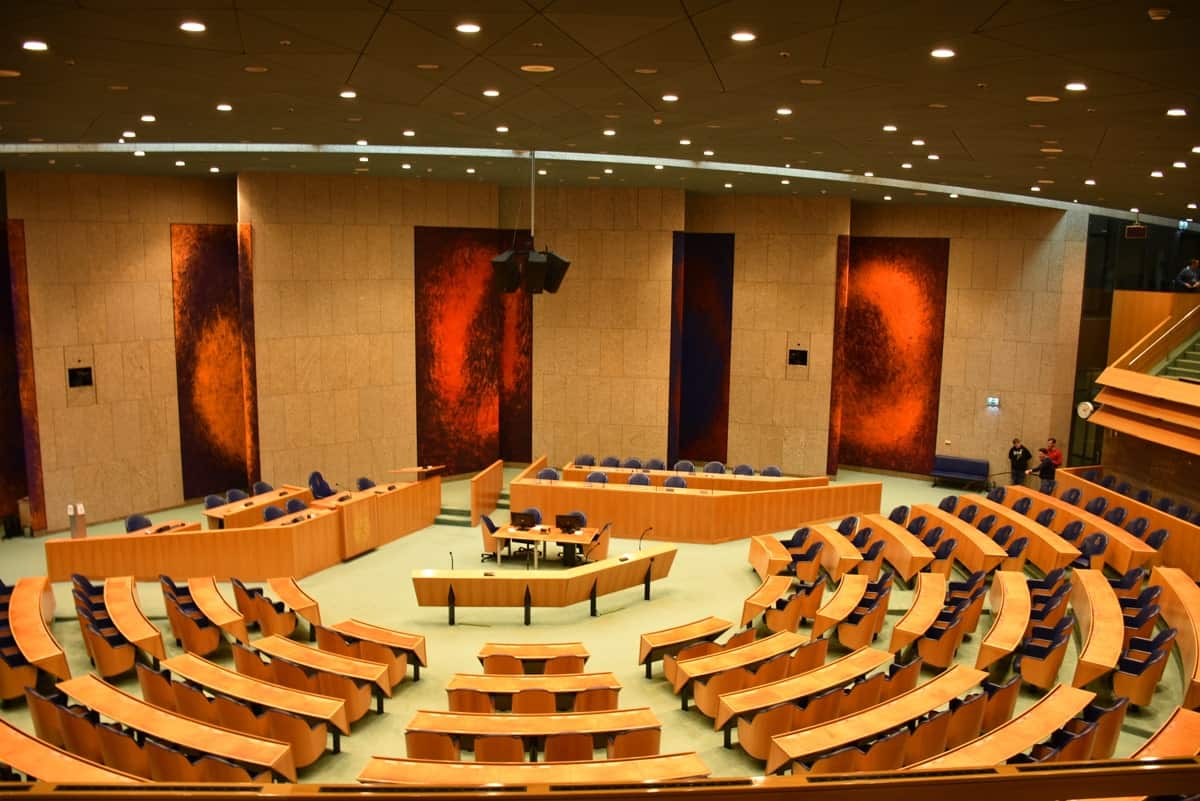


Franchising is “a bottleneck in tackling healthcare fraud” – dated 10 June 2020 – mr. AW Dolphin
According to the various supervisory authorities in the healthcare sector, franchise constructions can be seen as a non-transparent business construction in which the supervision of professional and