

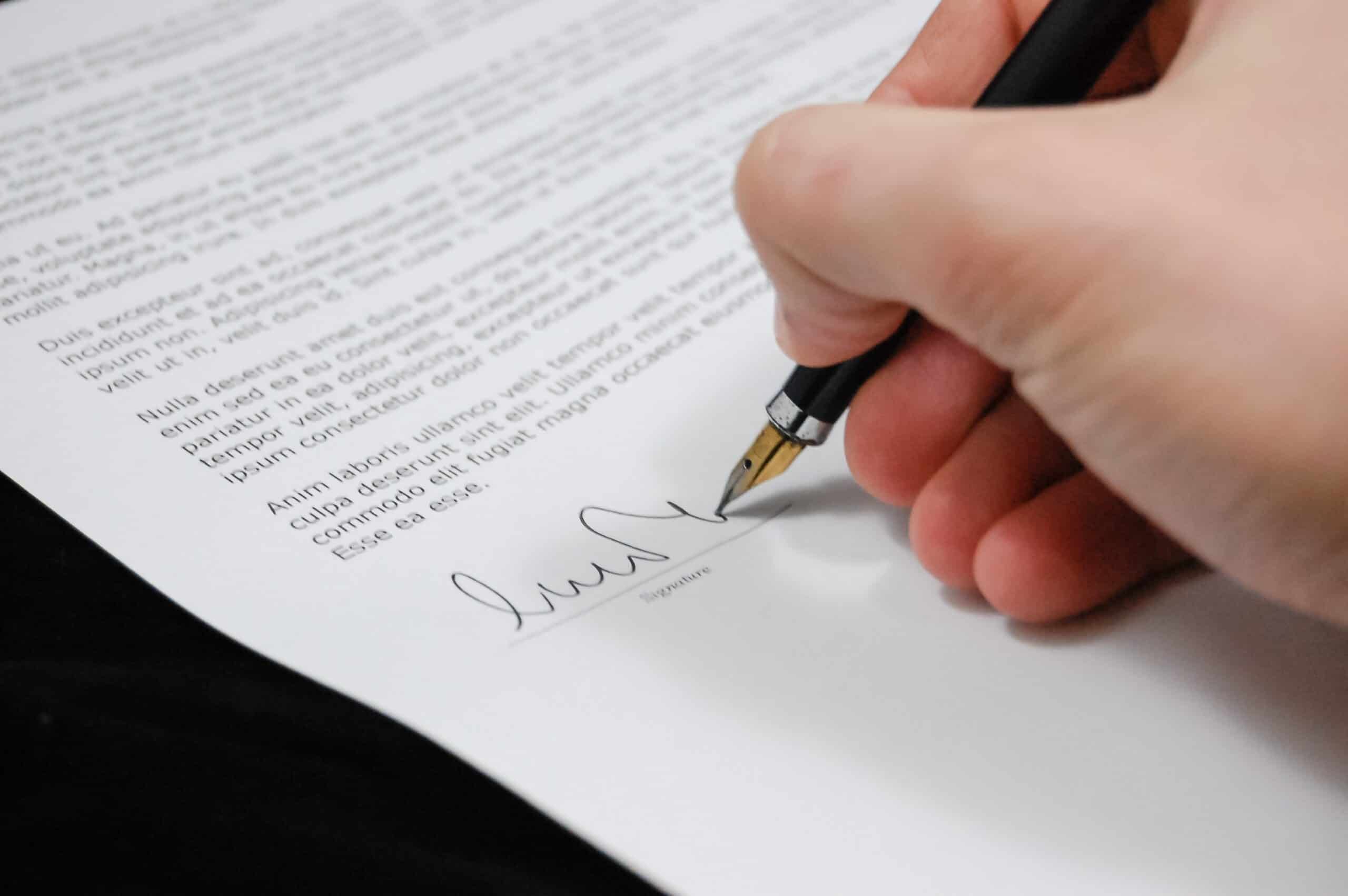
Error or deception in the conclusion of the franchise agreement
A franchisee who regrets after entering into a franchise agreement may believe that he has been misled by the franchisor before or at the time of entering into the franchise agreement. From a legal point of view, it makes quite a difference how this is approached. For example, there is a difference in approach between the view that the franchisee believes that he has been mistaken by the franchisor or that the franchisee believes that he has been misled by the franchisor. A recent ruling by the Amsterdam Court of Appeal shows that the difference between these two variants can be of great importance for the outcome of legal proceedings.
If the franchisee takes the position that he has made a mistake and that mistake was partly caused by the franchisor, then the franchisee is invoking “mistake”. An appeal to error must be made within three years of the discovery of the error. In principle, this period cannot be extended. The consequence of a successful claim of error may be that the franchise agreement is nullified. Under certain circumstances it is also possible to maintain the franchise agreement and to request compensation for the loss. If the franchisee invokes error, the franchisee will have to prove that he made a mistake at the time and that this mistake can be traced back to statements or omissions of important information by the franchisor in a period prior to the conclusion of the franchise agreement. This last aspect is particularly important, because this proof will not always be easy to provide.
If the franchisee invokes deception by the franchisor, other legal consequences apply. The franchisee will have to state with good reasons why he was misled when entering into the franchise agreement. If he has done so sufficiently, the court may order that the franchisor must prove that there has been no fraud. The franchisor will then have to demonstrate that he has carefully and completely provided the information that could be important to the franchisee when concluding the franchise agreement. If the franchisor does not succeed in this proof, it is in principle established that the franchisor has acted unlawfully. This does not automatically lead to destruction, as can be the case in the case of error, but entitles the franchisee to compensation for the damage. Furthermore, the statute of limitations is five years and can be extended again for a period of five years if the franchisee notifies the franchisor in a timely and correct manner.
The franchisee who afterwards regrets having concluded a franchise agreement and who feels that he was not properly informed in advance by the franchisor would do well to make a well-considered decision on how he will address the franchisor about this. Aspects that may be important include the question of whether the franchisee would like to continue the cooperation, whether there is recoverable damage, the time since the franchise agreement was concluded, but also, for example, the seriousness of the presumed deception and/or mistake. The last thing the franchisee wants is that he not only regrets the conclusion of the franchise agreement afterwards, but also regrets the way in which this is legally challenged by the franchisee.
See also: The National Franchise Guide (click here)
mr. AW Dolphin – franchise lawyer
Ludwig & Van Dam Franchise attorneys, franchise legal advice. Do you want to respond? Go to dolphijn@ludwigvandam.nl
Other messages

Signing a Franchise Agreement in the Digital Age – Mr. K. Bastiaans – dated December 14, 2020
Within today's society, under the guise of 'the new normal', digitization is increasing. The court will discuss in more detail the manner in which an agreement is accepted and the consequences.

The sale of tobacco at supermarkets will be banned in 2024. What are the constraints and opportunities for the supermarket business? – mr. C. Damen – dated December 8, 2020
To promote and discourage smoking cessation, the sale of tobacco in supermarkets will be banned in 2024.

Franchise Act will take effect on January 1, 2021 – mr. AW Dolphijn – dated December 3, 2020
The Franchise Act was already adopted on July 1, 2020, but it has now also been established by Royal Decree that the Franchise Act will enter into force on January 1, 2021.
Supermarket newsletter -29-
Supermarket newsletter -29-

Article Franchiseplus: “Divide the pain” – mr. Th.R. Ludwig – dated December 1, 2020
The corona crisis has brought many franchisors and franchisees into ...





Article De Nationale Franchise Gids: “Settlement problems with franchisee who is a general partnership” – mr. JAJ Devilee – dated November 30, 2020
In a recent dispute, two ex-spouses faced each other in an appeal procedure regarding the question whether the ex-wife forfeited penalty payments against the private company.