

Franchise Self-Employment: Another Episode
In practice, it often happens that a franchisor finds it difficult to recruit new franchisees. The cause for this can be many. Particularly in the second half of the 90s, there was a general labor shortage on the labor market, which was also reflected in the availability of new franchisees. In tough economic times, potential franchisees sometimes lack the necessary capital to start a business on an independent basis.
In practice, the latter circumstance in particular is often taken care of by franchisors by allowing franchisees to start as an employee/branch holder for a certain period, after which period they become independent and continue the branch as a franchisee. The franchisee then purchases the business from the franchisor. In some cases, the purchase price is financed by the franchisor by means of a loan or similar arrangement, which allows the franchisee concerned to continue the business for his own account, even without equity, after a certain trial period.
Constructions as described above are quite workable in themselves. It is true that in such situations extra attention must be paid to the independence of the franchisee(s) involved. Naturally, it must at all times be prevented that the UWV or the tax authorities come to the conclusion during an inspection that there is a so-called fictitious employment relationship in this context: the franchisee is then not an independent entrepreneur with regard to the Social Insurance legislation and the Tax legislation. , resulting in the consequences described earlier in this section, including cancellation of social deduction options, retroactive premium levying and all kinds of possible fines. This is more pressing in this situation than elsewhere because the franchisee, in the example described above, was first an employee of the franchisor. If there is also a financing construction, the UWV and the Fiscus will take an extra critical look at the whole. In general, it is therefore strongly recommended that an informal preliminary assessment be carried out by the UWV and the Tax and Customs Administration in such situations, so that uncertainties on this point can be removed and remedied in a timely manner.
Ludwig & Van Dam franchise attorneys, franchise legal advice

Other messages

Column Snack courier no. 8: “With 7 steps you comply with the privacy law”
Much has already been written about the General Data Protection Regulation (GDPR). The law has been applicable since 25 May, but many companies have not yet had their privacy policy in order.

Forced to switch to a different franchise formula at the existing location?
If a franchise formula ceases to exist, for example if it is incorporated into another organization, the question may be whether the franchisee is also obliged to be incorporated into

Column Franchise+ – 50 percent more franchise lawsuits
The 2018 Legal Franchise Statistics published by Ludwig & Van Dam Advocaten shows that there has been a 50% increase in the number of judgments in court cases rendered in 2017 compared to

A closer look at the intention to introduce franchising legislation
On May 23rd, State Secretary Mona Keijzer informed the House of Representatives about the imminent franchise legislation. The National Franchise Guide previously published this article.
Consumer Protection Applies to Franchisee
The consumer enjoys broad protection on the basis of the Civil Code.



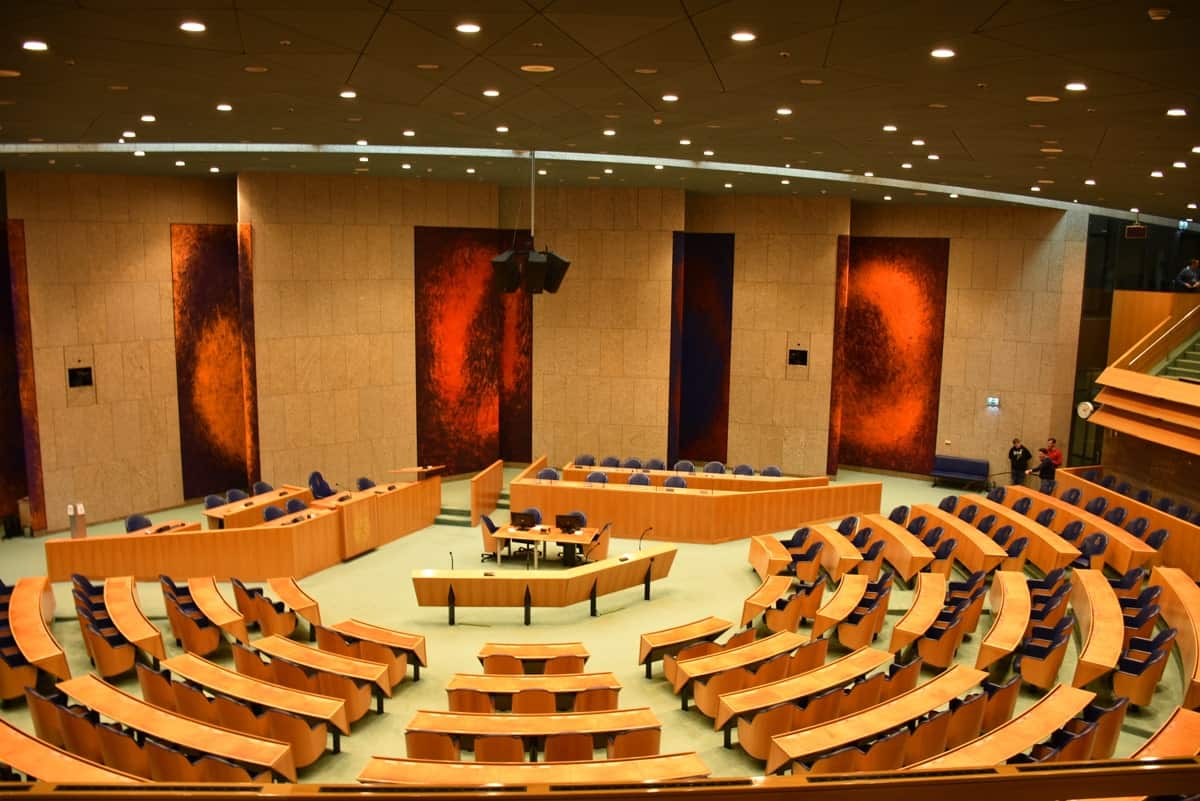

Update Franchise Law
On 23 May 2018, the government indicated that it would prepare a legal regulation that creates a framework for four sub-areas of cooperation between franchisors and franchisees that are crucial